
Last Updated on 30 September 2025 at 18:13
While implementing digital marketing strategies, all business and financial efforts have a
Table of Contents
The activity of bad robots
In practice, bad robots’ activity represents a significant burden for
The definition of a bot
Behind each bot is a human who uses the data that is collected.
A bot (also known as a crawler) is a small computer program that browses and visits websites systematically and automatedly. These bots’ primary purpose is to collect information on the pages, whether through photos, images, illustrations, videos, documents, or any text, blog posts, or other corporate documents.
The most well-known bots are those robots is the Google search engine, which uses the information presented on a website’s pages to offer
A methodology by Elena Debbaut, and possible actions against bad robots
Imagine tracking each
The reasons for adopting a methodology
Robots are visiting
A case study: bad bots on Elena Debbaut’s corporate website
After one year, we noticed a
The marketing situation and bad robots before the project implementation
The image below shows you the situation before the implementation of the project of bad bots blocking. The percentage of bad bots was 71% compared to human visits, representing only 29% of the total traffic.
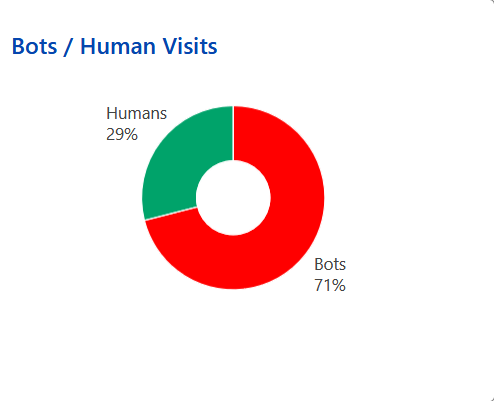
The marketing situation and bad robots one-year later and after the project implementation.
The picture below shows you the situation after implementing the blocking project against bad bots and human trafficking from certain countries. While the percentage of trafficking of bad bots was 71% compared to human visits, this percentage decreased to only 14% after 18 months.
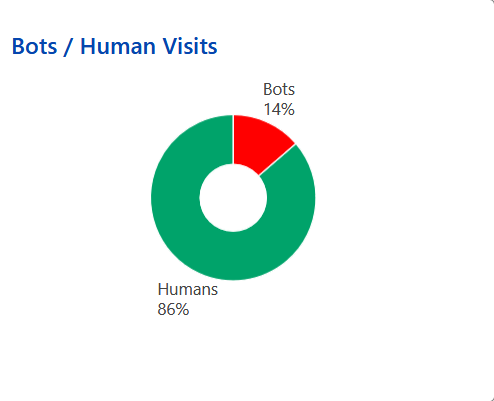
Project within the framework of a web data security programme
After the blocking of
You can find more details in this case study on how to ‘Secure and protect company website data with technical and commercial solutions against content thieves and cybercriminals‘ by following the above bold link.
You can also buy Elena Debbaut’s book on the same subject, available via Amazon.fr or Amazon.com or Amazon.be by following the link below:
If you have any other questions about this type of programme’s technological marketing integration, please do not hesitate to book a consulting session either with the E-GRAPHICS agency in French-speaking Switzerland or Elena Debbaut. She can offer you an approach that is as much technological as it is business and financial oriented.

Engaged at board & C-level in start-up, mid-sized, large multinational environments (Fortune 500) to solve strategic, financial, and operational issues.
Specialities:
• recovery of failing Projects & Programs
• strategy definition + implementation of transformational change
– turnaround
– performance improvement
– operational restructuring
– digital transformation.


Website redesigns aren’t always the answer. Use session replays, MarTech insights, behavioural analytics to enhance UX without disrupting marketing budget.

More traffic won’t save a broken funnel. CRO is the missing link between visitors and revenue. AI, automation, predictive UX are reshaping digital experiences.

Success in digital marketplaces isn’t about features but positioning. The wrong category can bury a great product. Here is why strategic placement matters.

SaaS trust is fragile. Customers question the claims, the testimonials, the promises. Trust must move from branding to behaviour. Here is how.

Sales, support, and marketing must evolve beyond silos. Discover a couple of bold insights and innovative fix solutions for a seamless, customer-driven model.
Choosing the right martech tool requires input from marketing, IT, finance, and leadership. Avoid costly mistakes by involving the right voices.

RICE offers a data-driven approach to prioritization, but does it always work ? Explore its surprising potential for viable strategies across industries.

Discover neo-institutional theory in organizational change: how it dismantles inertia & start innovation. Insights for turnarounds and transformation projects.
Learn how to bridge the gap between strategy and execution with unconventional approaches, actionable insights, and a balance of discipline and agility.

Understand the differences between projects, programs, and portfolios. A bold take on leadership, management roles, and scaling complexity.
